Read Who Ate Up All the Shinga?: An Autobiographical Novel (Weatherhead Books on Asia) by Wan-suh Park Online
Read * Who Ate Up All the Shinga?: An Autobiographical Novel (Weatherhead Books on Asia) PDF by ^ Wan-suh Park eBook or Kindle ePUB Online free. Who Ate Up All the Shinga?: An Autobiographical Novel (Weatherhead Books on Asia) Darryl R. Morris said Compelling story about life in Korea. Park, a highly acclaimed author in South Korea, describes her experiences growing up in Korea, during the Japanese occupation, World War II and the Korean War. Her family lived in a village outside of Seoul, and was dominated by her domineering but loving Grandfather and her unscrupulous Uncle. Her father died when she was very young; her headstrong Mother decides to move her children to Seoul, to the consternation of her in-laws, as ed
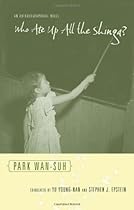
| Title | : | Who Ate Up All the Shinga?: An Autobiographical Novel (Weatherhead Books on Asia) |
| Author | : | |
| Rating | : | 4.90 (560 Votes) |
| Asin | : | 0231148984 |
| Format Type | : | paperback |
| Number of Pages | : | 264 Pages |
| Publish Date | : | 2016-04-25 |
| Language | : | English |

Darryl R. Morris said Compelling story about life in Korea. Park, a highly acclaimed author in South Korea, describes her experiences growing up in Korea, during the Japanese occupation, World War II and the Korean War. Her family lived in a village outside of Seoul, and was dominated by her domineering but loving Grandfather and her unscrupulous Uncle. Her father died when she was very young; her headstrong Mother decides to move her children to Seoul, to the consternation of her in-laws, as education and opportunities for them are better there. The family suffers hardship and social isolation for their country ways, but Wan-Suh is able to make her own way, as she is ju. "An Important Book and a Compelling Read" according to Caroline Kim. There are no other books that I can think of (not translated into English anyway) that gives an account of what life was like for Koreans during the years of Japanese occupation, and during the Korean War. I found it fascinating to see how people lived under such organized repression (having to take on Japanese names, not being able to speak Korean in school or at work), that people did not simply crumple and give up, but went about living more or less "ordinary" lives. Park Wan-Suh, an important writer in Korea, really breathes life into these years, and especially in the last few chapters into the horror of li. "A fantastic read by a noteworthy author" according to Hannah Kim. Wan-suh Park's portrayal of her childhood is intimately poignant. The translation reads easily. I highly recommend it. A must read for anyone interested in Korean literature.
Park was raised believing that "no matter how many hills and brooks you crossed, the whole world was Korea and everyone in it was Korean." But then the tendrils of the Japanese occupation, which had already worked their way through much of Korean society before her birth, began to encroach on Park's idyll, complicating her day-to-day life. With acerbic wit and brilliant insight, Park describes the characters and events that came to shape her young life, portraying the pervasive ways in which collaboration, assimilation, and resistance intertwined within the Korean social fabric before the outbreak of war. Balancing period detail with universal themes, Park weaves a captivating tale that charms, moves, and wholly engrosses.. Who Ate Up All the Shinga? is an extraordinary account of her experiences growing up during the Japanese occupati
(Korea) . (Bruce Fulton Korean Quarterly)A deeply moving, warm personal tale. Let us hope that although the author is no longer with us physically, her spiritual presence will be maintained through other excellent translations of her works. (Joanna K. (Journal of Asian Studies)Though it feels rather like a memoir, the novel is an entertaining and sometimes heart-wrenching read as Park's brilliant use of language, as well as genuine depiction of its characters shine from the beginning to the end. (Financial Times)Wh
Park Wan-suh broke into Korea's literary scene in the 1970s and in 1981 received the prestigious Yi Sang award for her novel Mother's Stake. He has also published several translations of Korean and Indonesian fiction.. Yu was awarded the Daesan Literature Prize for her translation of Yi In-hwa's Everlasting Empire.Stephen J. She has translated five Korean novels into English, including Park Wan-suh's
Download Who Ate Up All the Shinga?: An Autobiographical Novel (Weatherhead Books on Asia)
Download as PDF : Click Here
Download as DOC : Click Here
Download as RTF : Click Here